

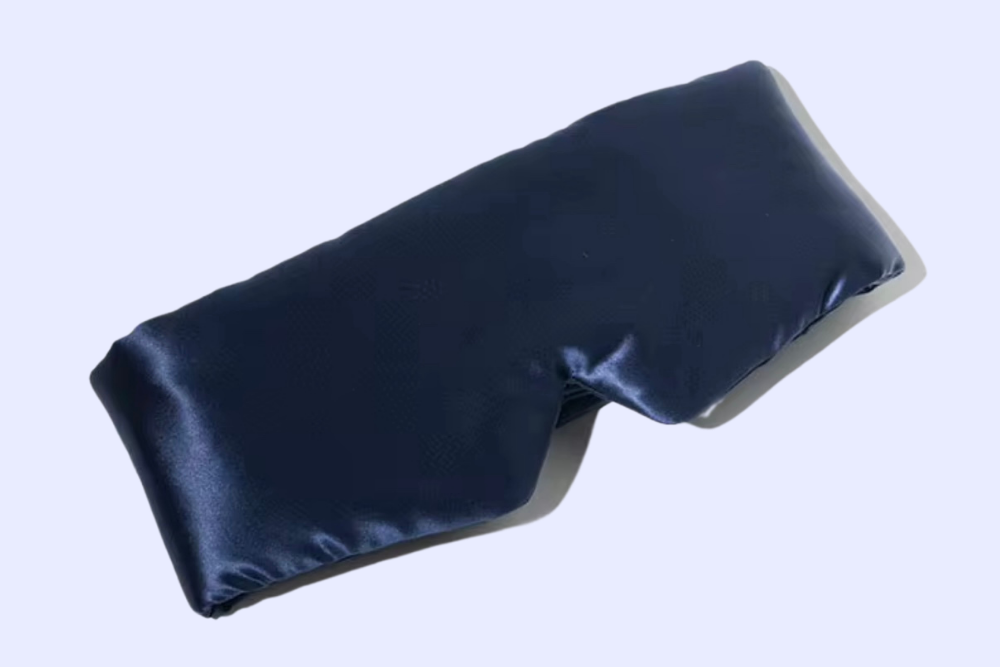
Satin Vs. Silk Sleep Masks Explained
When shopping for an eye mask to upgrade your bedtime routine, you will quickly notice two fabrics dominating the market: satin and silk. While they look and feel remarkably similar at first glance, they are entirely different materials.
Choosing the wrong one can affect everything from your skin health to your wallet. Here is the breakdown of the key differences to help you decide which material deserves a spot on your nightstand.
The Core Differences At a Glance
| Silk Sleep Masks | Satin Sleep Masks | |
|---|---|---|
| Material | Natural protein fiber (produced by silkworms). | A weave pattern (usually made of synthetic polyester). |
| Breathability | Highly breathable and temperature-regulating. | Trap heat and moisture. |
| Skin | Naturally hypoallergenic (retains skin moisture). | Smooth surface prevents friction, but less hydrating. |
|
Washing |
Gentle hand-wash or specific machine-wash program. | Machine-wash. |
| Price Point | Premium investment. | Budget-friendly. |
1. What They Are Made Of
The biggest difference lies in how they are constructed:
- Silk is a natural fiber. It is an organic, biodegradable protein fiber spun by silkworms. It is widely considered a luxury material due to the labor-intensive harvesting process.
- Satin is a weave, not a raw material. When you see a "satin mask," it is almost always made from synthetic fibers like polyester, nylon, or rayon woven tightly to create a glossy finish.
2. Skin and Hair Benefits
Both materials offer a smooth, friction-less surface that stops you from waking up with "sleep creases" (those temporary wrinkles caused by pressing your face into a cotton pillowcase). However, silk takes skincare a step further.
Because silk is a natural protein, it doesn't absorb moisture. This means your expensive night creams stay on your skin rather than getting soaked up by your mask. If you have sensitive, acne-prone, or dry skin, silk is the superior choice. Satin, being synthetic, can occasionally trap oils against the skin.
3. Temperature Regulation
If you get hot when you sleep, fabric breathability is crucial:
- Silk naturally regulates temperature. It keeps you cool in the summer and warm in the winter.
- Satin traps heat. Because polyester fibers do not breathe well, a synthetic satin mask can cause you to sweat during warm nights.
4. Durability and Care
If you want low-maintenance bedding, satin wins. You can easily toss a synthetic satin mask into a standard laundry load. Silk requires gentle care—usually a quick hand-wash with a pH-neutral detergent and air drying—to preserve its natural sheen and softness.
The Verdict: Which Should You Choose?
- Choose Satin if: You are on a strict budget, want something easy to machine-wash, and simply want to prevent friction wrinkles around your eyes.
- Choose Silk if: You want a premium, breathable sleep experience, have dry or sensitive skin, and want to maximize your overnight skincare routine.
If you are ready to invest in a deeper, more luxurious night of rest, consider trying a premium silk sleep mask to experience the natural benefits firsthand.
Leave a comment
This site is protected by hCaptcha and the hCaptcha Privacy Policy and Terms of Service apply.