

Article: Do Blue Light Glasses Actually Help You Sleep Better?
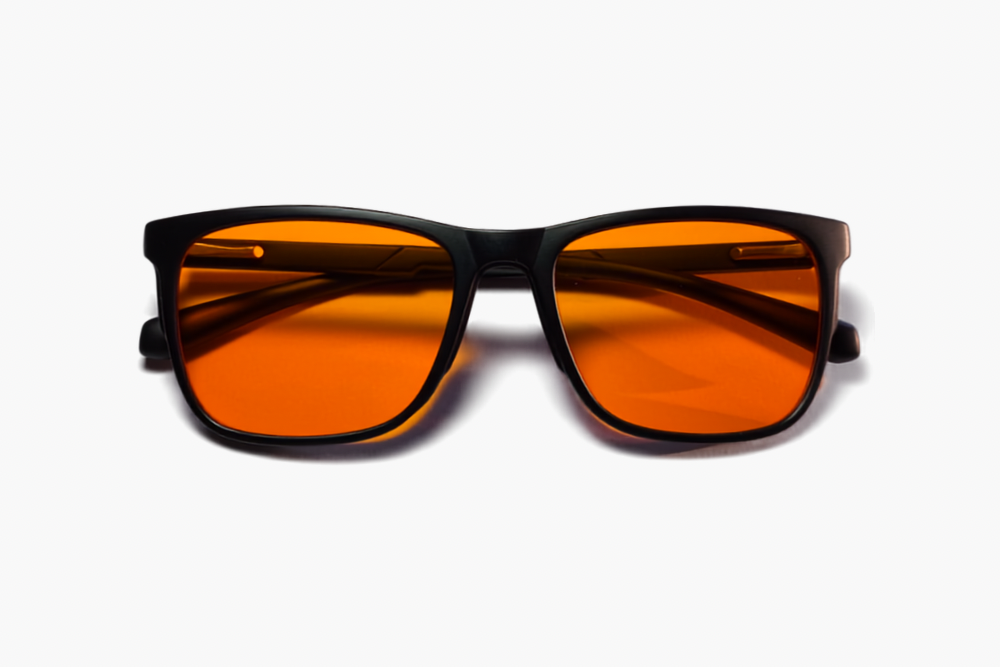
Do Blue Light Glasses Actually Help You Sleep Better?
If you find yourself tossing and turning for hours after scrolling through your phone or watching TV in bed, you are not alone. Most of us know that late-night screen time disrupts our rest, which is why blue light glasses have exploded in popularity.
But do they actually work, or are they just a marketing trend? Let’s dive straight into the facts, look at how artificial light impacts your brain, and see if a pair of glasses can truly unlock a better night's sleep.
The Short Answer: Yes, but with a catch
The quick answer is yes, blue light glasses can significantly improve your sleep, but only if you use them correctly.
They are not a magic cure for deep-rooted sleep disorders. However, they are highly effective at solving the modern problem of digital sleep disruption caused by our everyday devices.
Blue Light's negative impact on your brain
To understand why these glasses help, you have to look at how your body prepares for rest. Your brain relies heavily on environmental cues to regulate your internal clock (your circadian rhythm).
- The daylight signal: Natural blue light comes from the sun. When your eyes detect it, your brain suppresses melatonin (the hormone that makes you sleepy) to keep you alert and energized.
- The digital trick: The screens on your smartphone, tablet, laptop, and TV emit the exact same high-energy blue light wavelengths as the morning sun.
- The result: When you look at a screen at 10:00 PM, your brain literally thinks it is 10:00 AM. It halts melatonin production, leaving you feeling wired and restless when you should be drifting off.
How Blue Light Glasses Fix the Problem
High-quality blue light glasses feature specially crafted lenses that filter out these aggressive digital wavelengths before they hit your retina. By wearing them in the evening, you protect your body's natural sleep cycle in three major ways:
- Protects melatonin production: By blocking the "daytime" signal from your screens, your brain is allowed to naturally produce melatonin as the evening goes on.
- Reduces digital eye strain: Staring at bright screens in a dark room forces your eye muscles to work overtime. Filtering out harsh blue light helps eliminate dry eyes, blurred vision, and late-night tension headaches.
- Preserves deep REM sleep: Studies show that blocking evening blue light doesn’t just help you fall asleep faster—it improves your overall sleep architecture, helping you spend more time in restorative, deep sleep cycles.
The Right Way to use them for sleep
A common mistake people make is wearing these glasses all day at their work desks and expecting to sleep better at night. To fix your sleep cycle, timing is everything:
- Put your glasses on 2 to 3 hours before you plan to sleep.
- Keep them on while you watch evening television, reply to final emails, or finish up your nighttime routine.
By creating a "digital sunset" for your eyes, your mind can smoothly transition into relaxation mode without you having to completely banish your favorite devices.
If you are searching for a solid pair of blue light blockers, you can find those blue light glasses here.
Leave a comment
This site is protected by hCaptcha and the hCaptcha Privacy Policy and Terms of Service apply.